
Who I am

Hello there!
My name is Joshua O’Donnell, but I like to work under my gamertag, Eisritter.
In this page I lay out the person I currently am: How I got here, what I do best, what I enjoy doing and seeing, and, because it is such a central topic these times, my views on generative AI.
My Path

July 24th, 2001:
Born in Annecy, France and start to life in the French Alps, going through primary and middle school there.
I spent a lot of time exploring interests in these years, of which my passion for football and playing the piano stuck, alongside a burgeoning interest for game design (spurred by conceiving levels for Mario games in the school yard) and Japanese culture.
Thanks to my Irish and German parents, I have grown up speaking three languages without pause from the moment I started uttering my first words.
Summer of 2016:
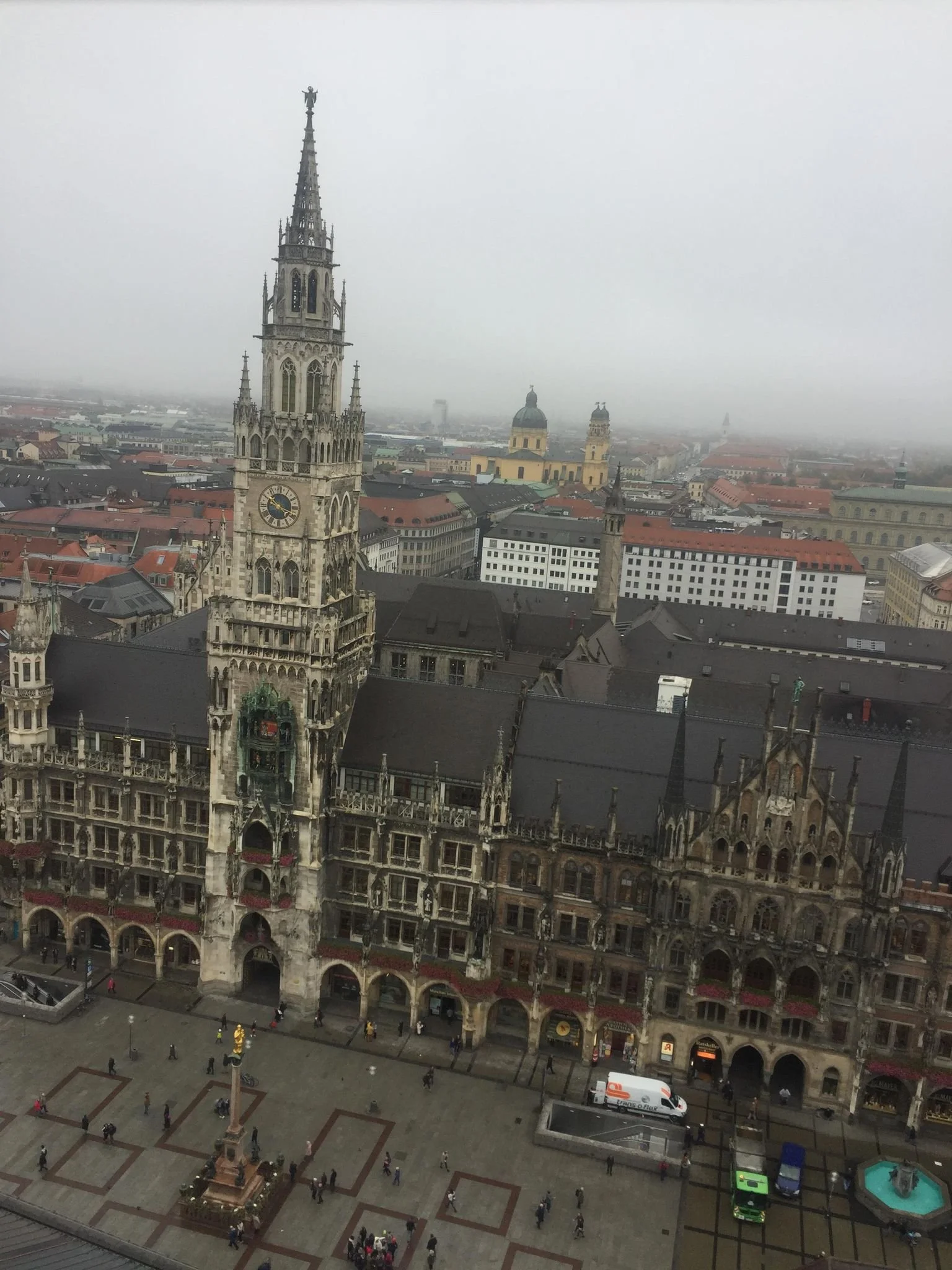
Move to the Munich metropolitan area, following my parents’ transfer of workplace to start high school in a new country.
These first four years in Munich were very formative in finding myself and understanding who I am. The change of scenery and culture made me gain a lot of perspective, and the very unique German school system helped discover more interests (e.g. for architecture and literature) and further my existing ones.


Autumn of 2020:
High school graduation under COVID conditions, and university life in Würzburg.
Covid was a societally significant event for everyone, and I would consider myself under the luckier bunch during this time. I successfully graduated from high school with honours after a peculiar last semester.
While perusing university programmes, I came across the Julius Maximilians University of Würzburg’s unique Games Engineering programme, which piqued my interest with the promise of an all-encompassing curriculum to study the development and optimisation of video games from a technical point of view…
…and the rest is history. Four years later, I successfully graduated from the programme on August 26th, having learnt how to be a functional adult all the while, on top of a head-first immersion into Volleyball through friends.

2024-25:
Gap Year to reflect
Following my graduation, I did not feel fully ready to start a career, and wanted a break from university for a year.
The plan was simple: Work for 4-5 months, travel around the world, and prepare for a graduate degree in 2025-26, and it couldn’t have gone better. After four months working in a hotel restaurant, I was able to stay in South-East Asia for 10 weeks, experiencing a whole new side of life, all the while applying for top universities in Europe to further my education.

2025-26:
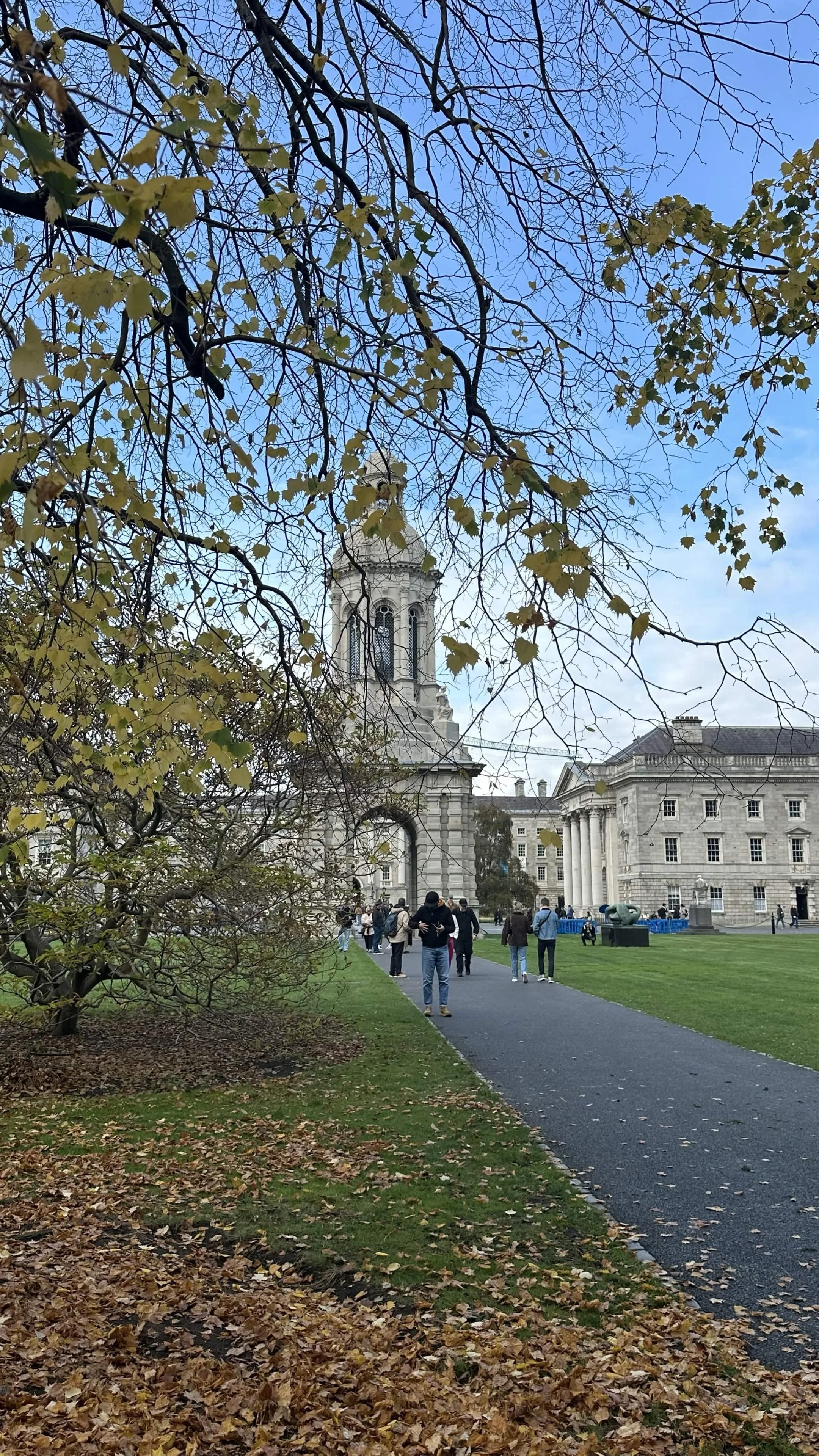
Master’s Degree in Dublin.
The elbow grease in my applications paid off, as I was accepted to Trinity College’s master’s programme in Computer Science, centred on Augmented and Virtual Reality.
Throughout this intense program diving into the deepest aspects of rendering, modern technologies, and the present and future of extended reality (XR), I grew professionally with a by now well padded portfolio of university projects, each more complete than the other.
The change of both scenery and pace, with this degree demanding a higher level of quality and involvement exposed me to a wholly different university experience, with a more diverse set of colleagues in origin and skills from which I could take away a lot to understand my professional directions and aspirations.
2026-?:
To Infinity and Beyond?
With this latest chapter soon coming to a close, I am in the process of growing my wings even further by founding a career I believe in.
The future has never looked more uncertain for society as a whole, and I am excited to take on a new challenge in this history, with full confidence that I will be able to rise to the occasion, whichever this may turn out to be.
Skillset
Programming languages:
C#
C++

Related Work:
VR Library
Murder in the House!
ElectroBuilder
both Game Jam projects
Related Work:
Ocean Outlaws
Eis-Engine
Minotaur’s Maze
Stochastic Barnes-Hut
Python 3
SQL
Related Work:
Many assignments relating to machine learning, computer vision and AI decision-making.
Related Work:
university course on databases
Related Work:
All projects except VR Library were made using git
Related Work:
Eis-Engine
Minotaur’s Maze
Stochastic Barnes-Hut


Software Familiarity:




Unity
Unreal Engine [5]
Related Work:
VR Library
Murder in the House
Electro-Builder
both Game Jam projects
Related Work:
Futuristic Racing!
A Rude Awakening
Carnival Games
OpenGL API
Git
Blender

Related Work:
university course on asset development & animations
Sporadically involved in other projects for corrections or simple asset creation
Principles of interest:
Procedural Content Generation
AI Decision-making

3D-Animation
Virtual Reality


Related Work:
A Rude Awakening
Animation course at university
Familiar Concepts:
Keyframing
Control Rig usage
Motion correction
Inverse Kinematics
Animation Retargeting
Facial Animation
Principles of Animation
Related Work:
Carnival Games
VR Library
Master’s Dissertation
University course on Extended Reality
Related Work:
Ocean Outlaws! (Behaviour Tree + A*)
Futuristic Racing! (Driving Behaviour)
AI module on Pathfinding, MDP and Reinforcement Learning
Related Work:
Bachelor’s Thesis
Futuristic Racing
Sporadic generation of e.g. terrain or cubemaps
Cybersecurity & Privacy-oriented applications

Related Work:
University course + paper on Cyber-security and Online Privacy
Extra-Curricular Interests
Gaming
Strategy Games
-
Civ V, VI, and VII (2.000h combined), 2K/Firaxis
Factorio (300h), Wube Software
Age of Empires [II] (80h), Skybox Labs
Sports Games

-
FIFA / EA Sports FC (1.900h combined), Electronic Arts
Rocket League (750h), Psyonix
Story-driven Games
-
Detroit: Become Human (40h), Quantic Dream
Red Dead Redemption II (100h), Rockstar Games
Life is Strange 1 & 2 (30h combined), DONTNOD
Danganronpa Series (100h combined), Spike Chunsoft
Sports
Football/Soccer, particularly with tactical depth

[Indoor] Volleyball

Alpine Skiing &
General Winter Sports

Arts
Manga & Comics
Literature & Writing


-
One Piece, E. Oda
Blue Lock, M. Kaneshiro and Y. Nomura
Haikyuu!!, H. Furudate
Fullmetal Alchemist, H. Arakawa
Les Aventures de Tintin, Hergé
Astérix & Obélix, R. Goscinny, A. Uderzo
-
Dune, F. Herbert
Percy Jackson series and spinoffs, R. Riordan
Harry Potter series, J.K. Rowling
Eragon series, C. Paolini
Music (practising & listening)
Cinema
-
J-Pop (Natori, Ado, YOASOBI, tuki.)
Reggaeton (Bad Bunny, Rauw Alejandro, J Balvin)
Rock [as a super-genre] (Creedence Clearwater Revival, Dire Straits, Lynyrd Skynyrd, Queen)
Practise: recreational singing, piano (taught) and guitar (mostly self-taught)
-
Good Will Hunting (1997)
The Imitation Game (2014)
Manchester by the Sea (2016)
Astérix & Obélix: Mission Cléopâtre (2002)

Architecture & Urban Design
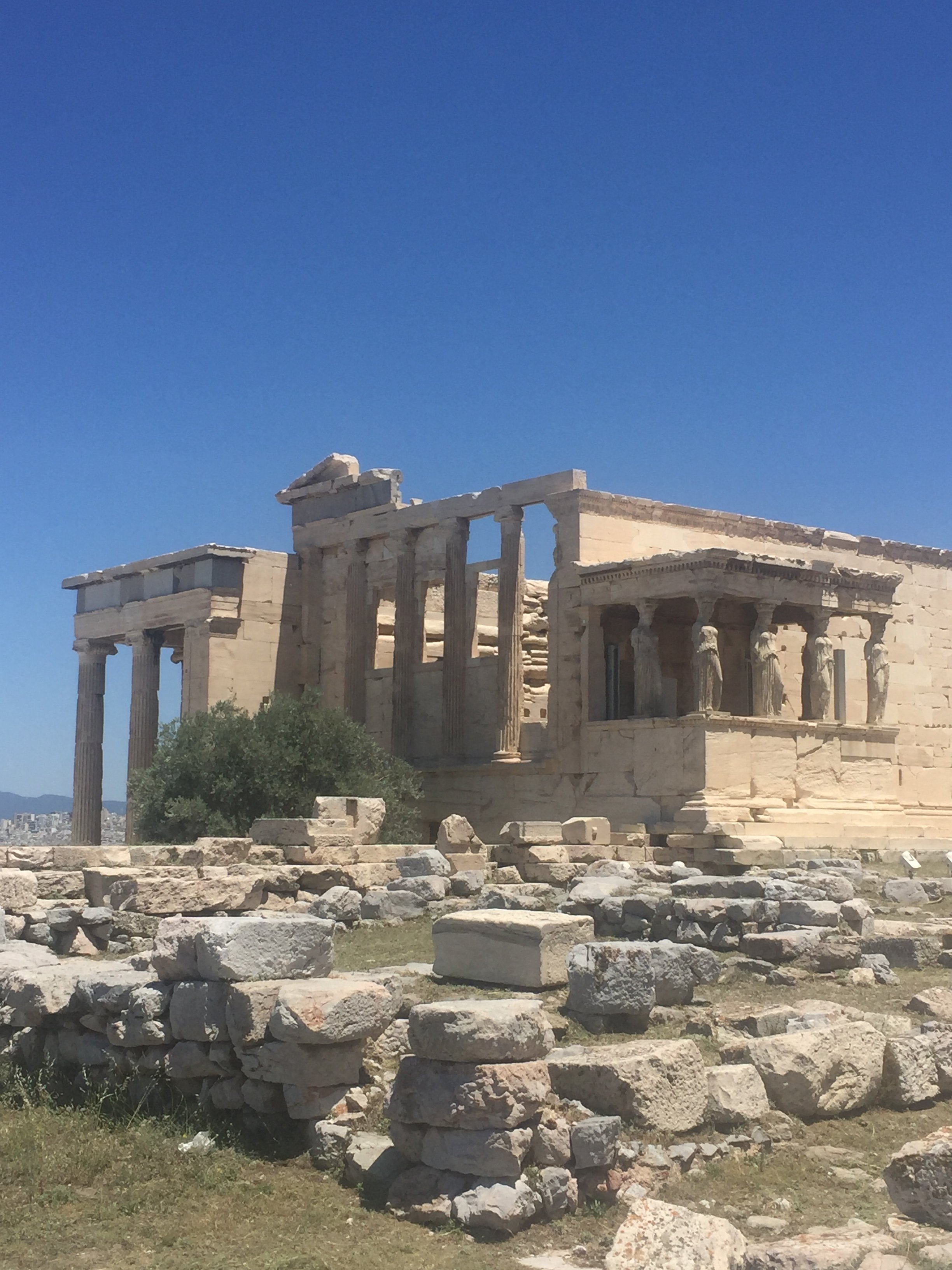
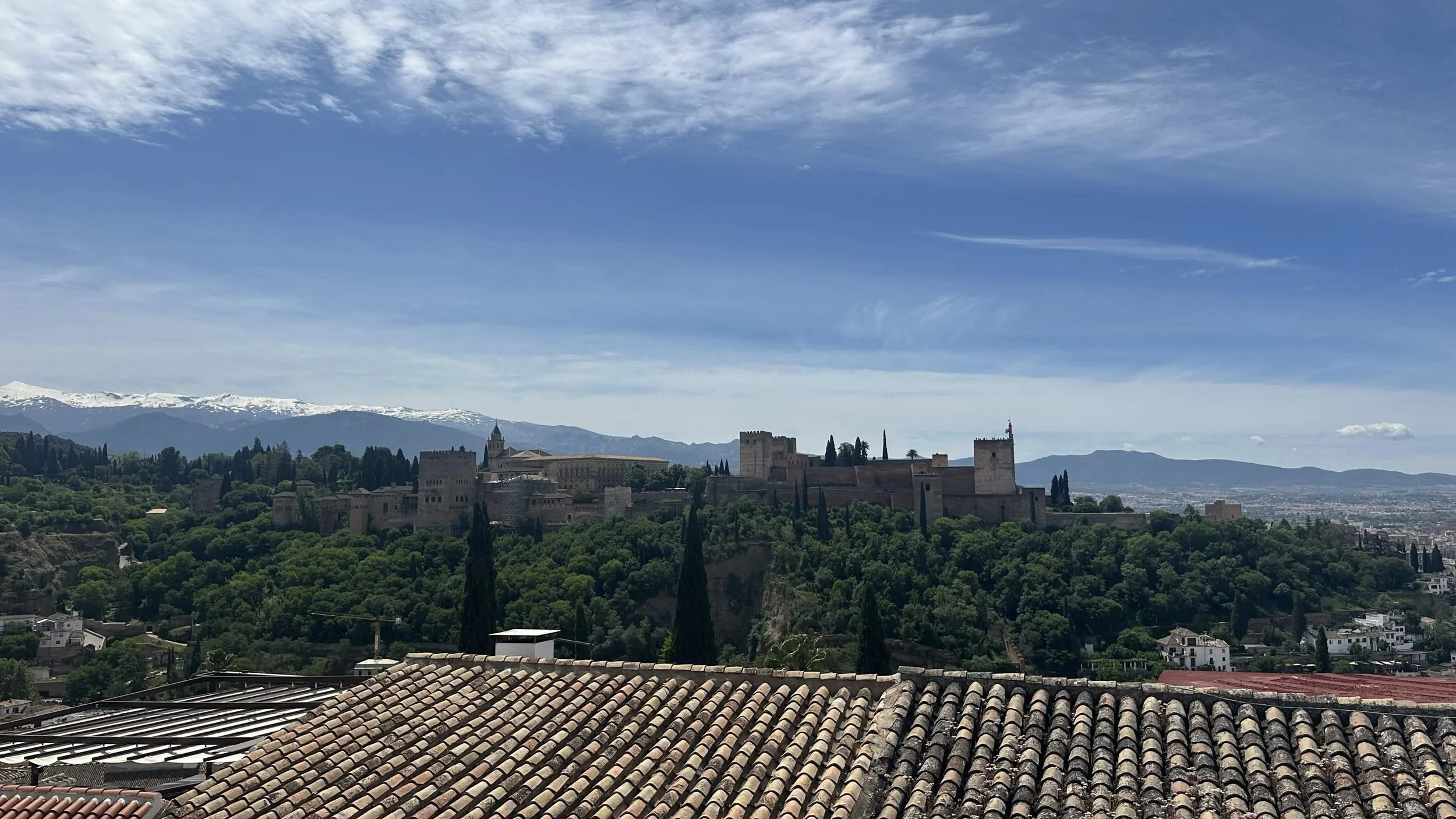
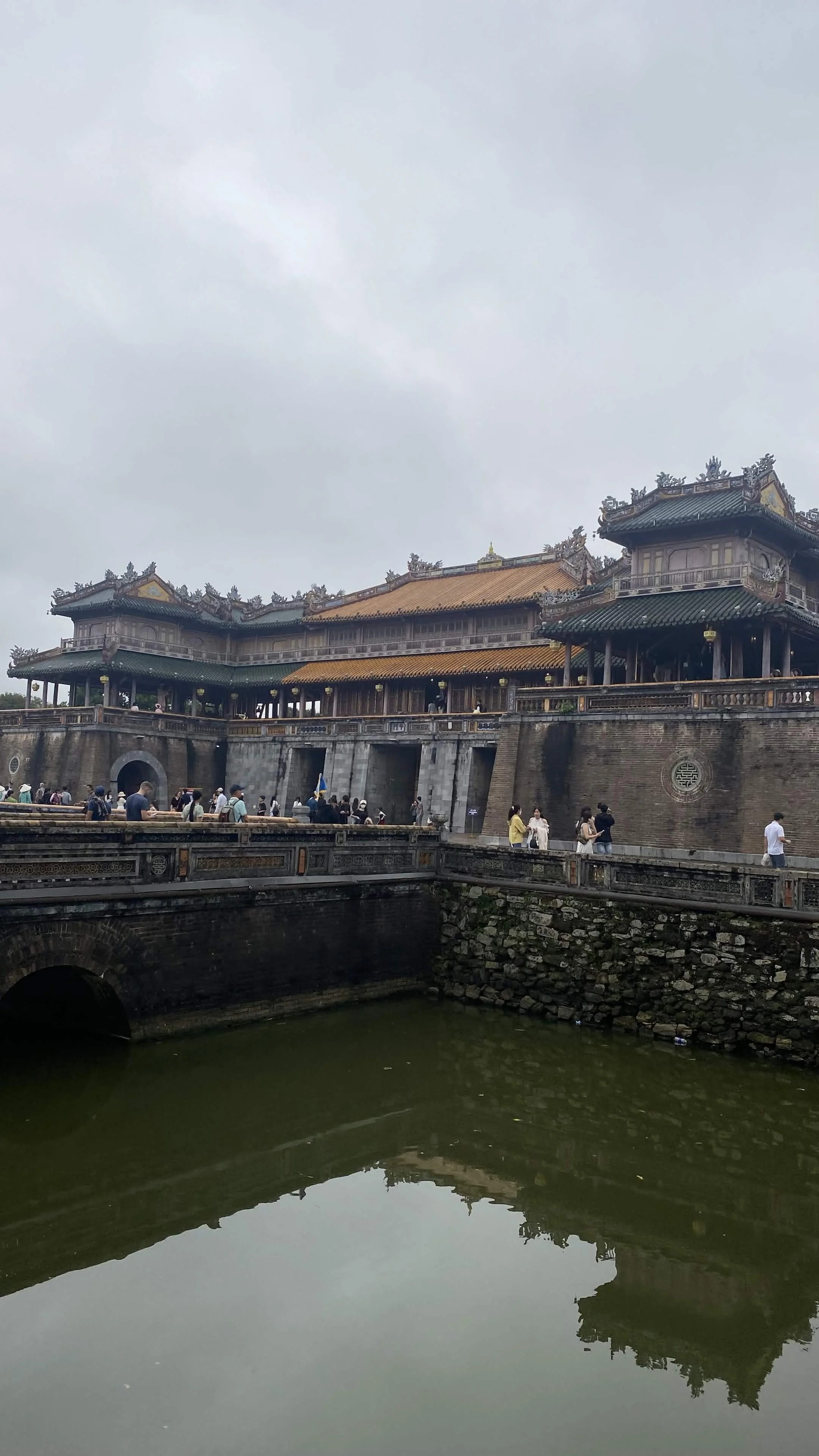
Travels
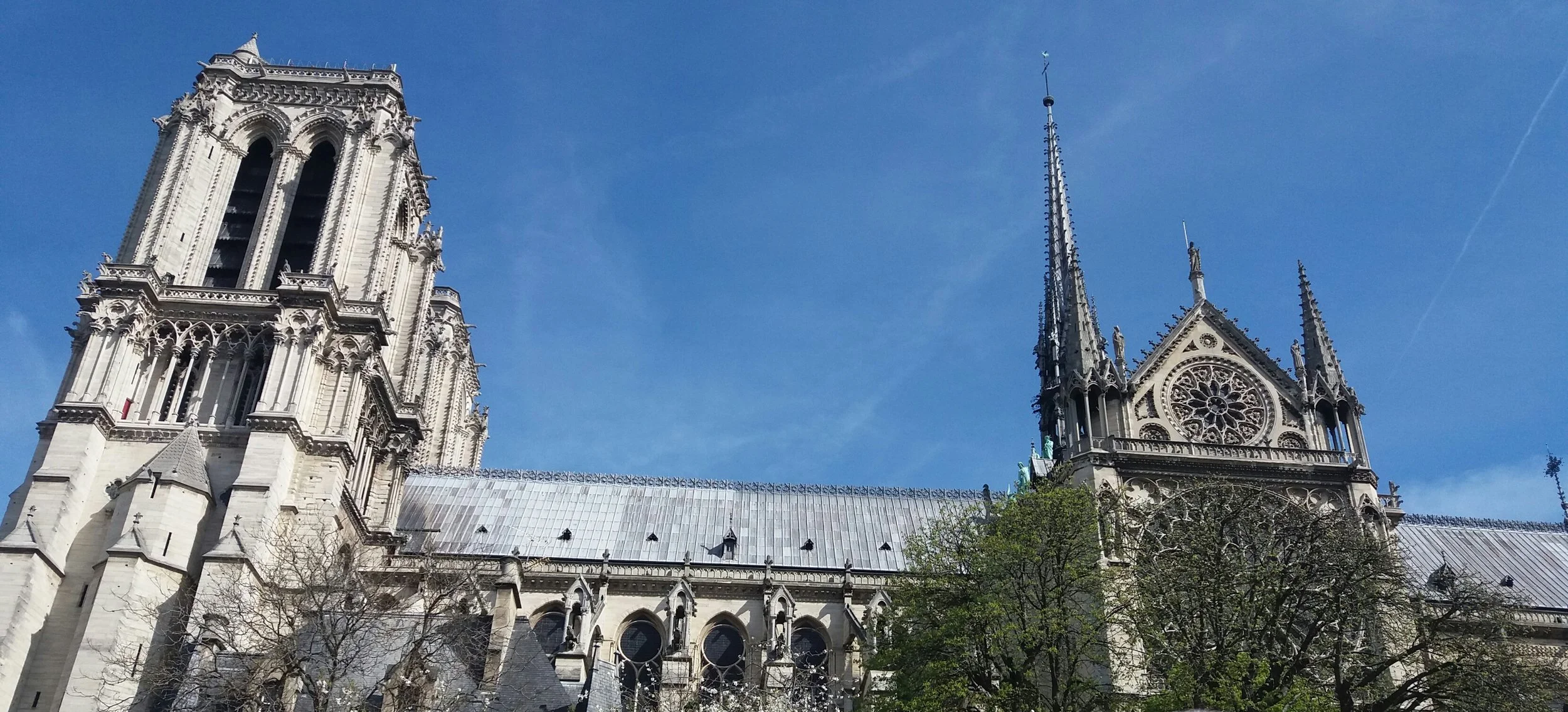
| Paris, France
| Athens, Greece
| Granada, Spain
Hué, Vietnam |
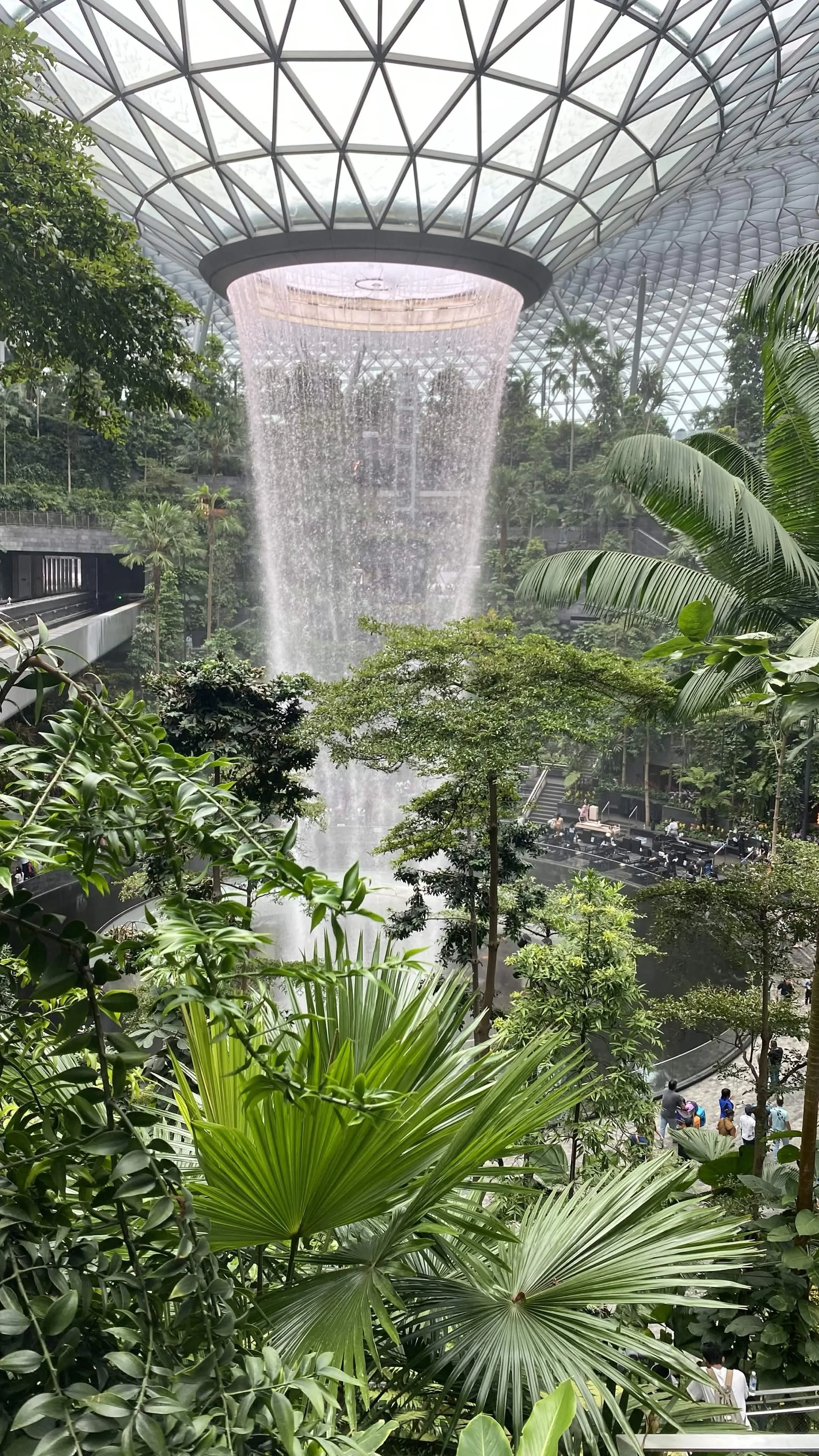
| Singapore
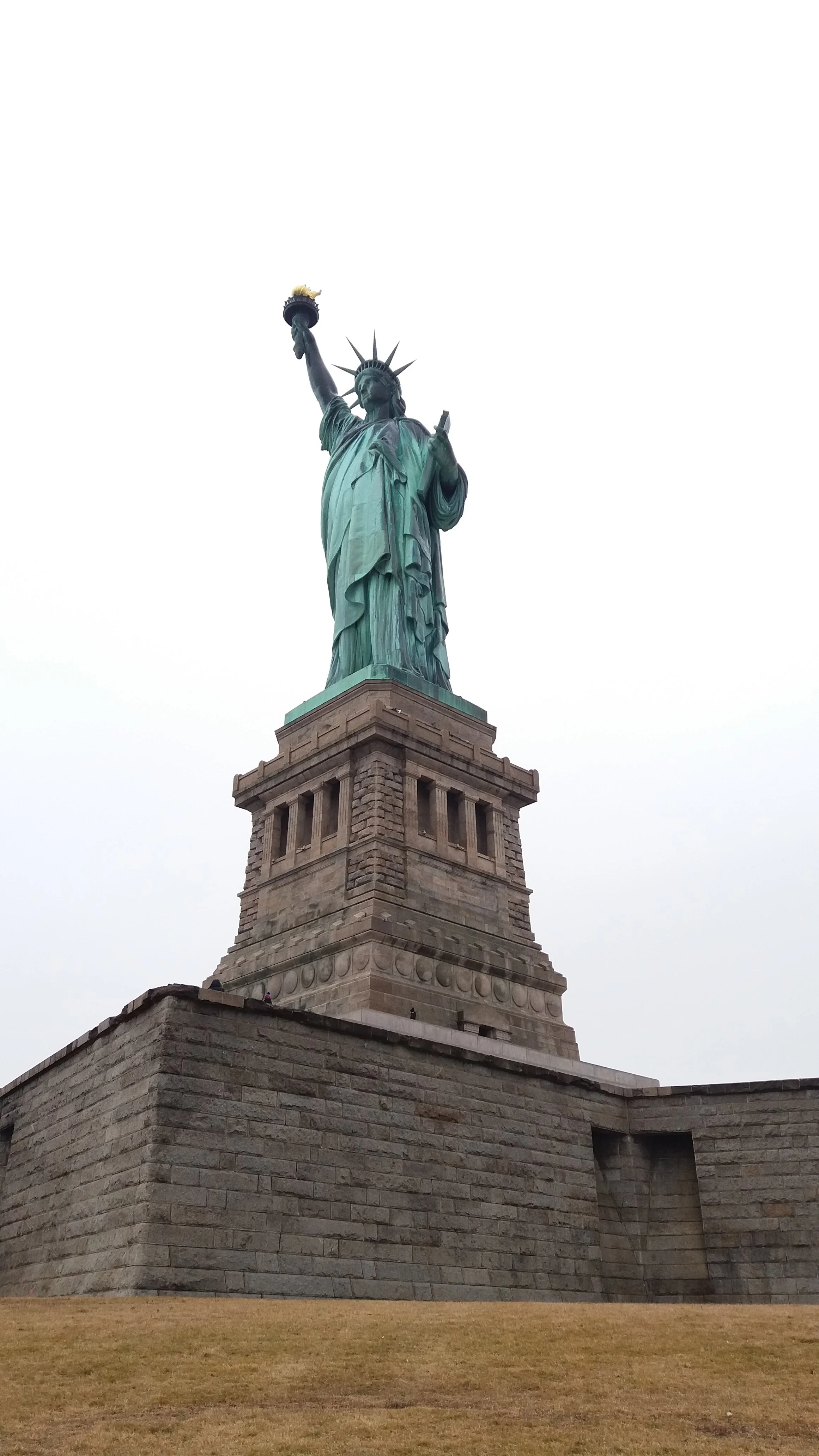
| Liberty Island, USA

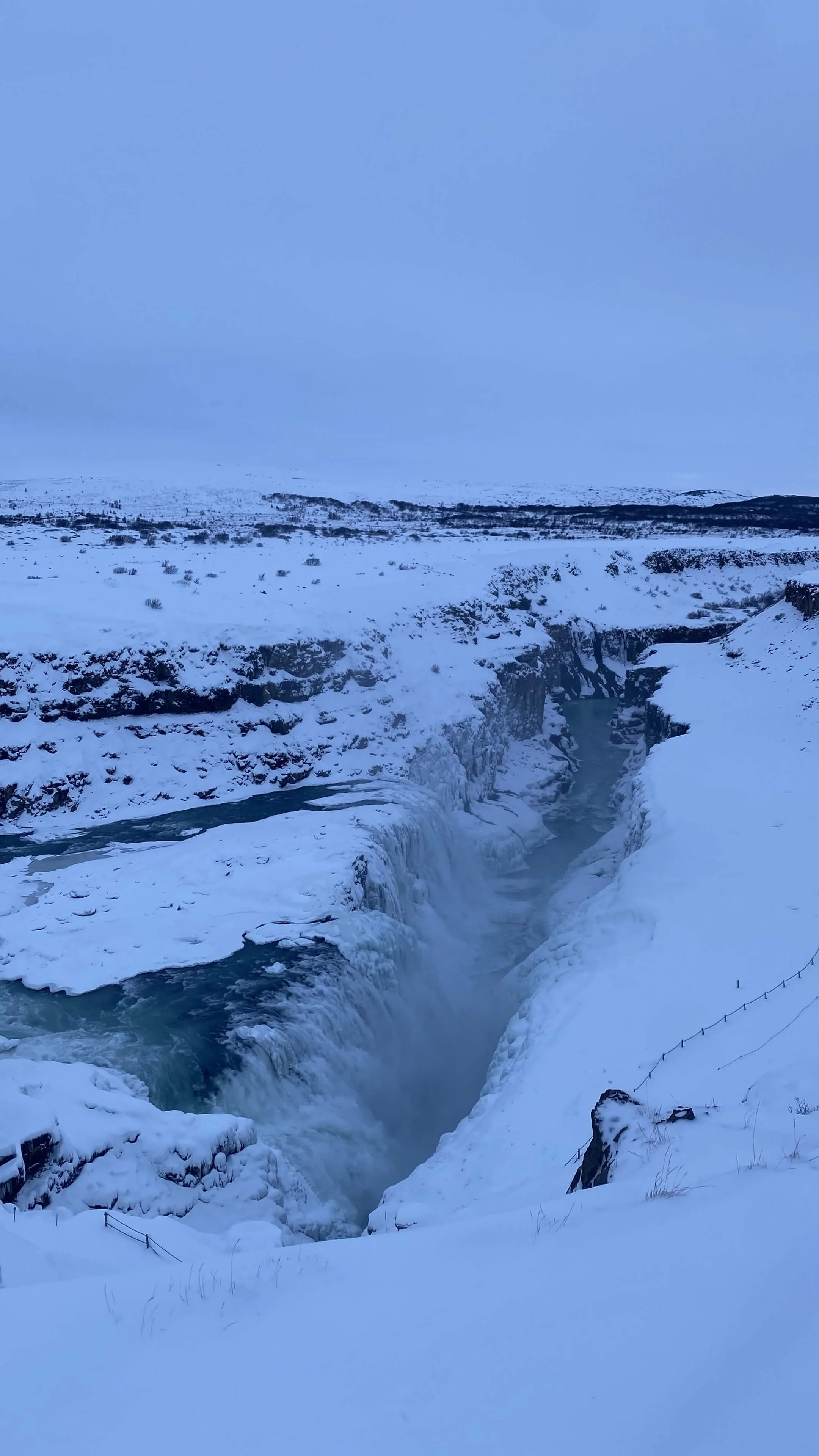
| Gullfoss, Iceland
| Himeji, Japan
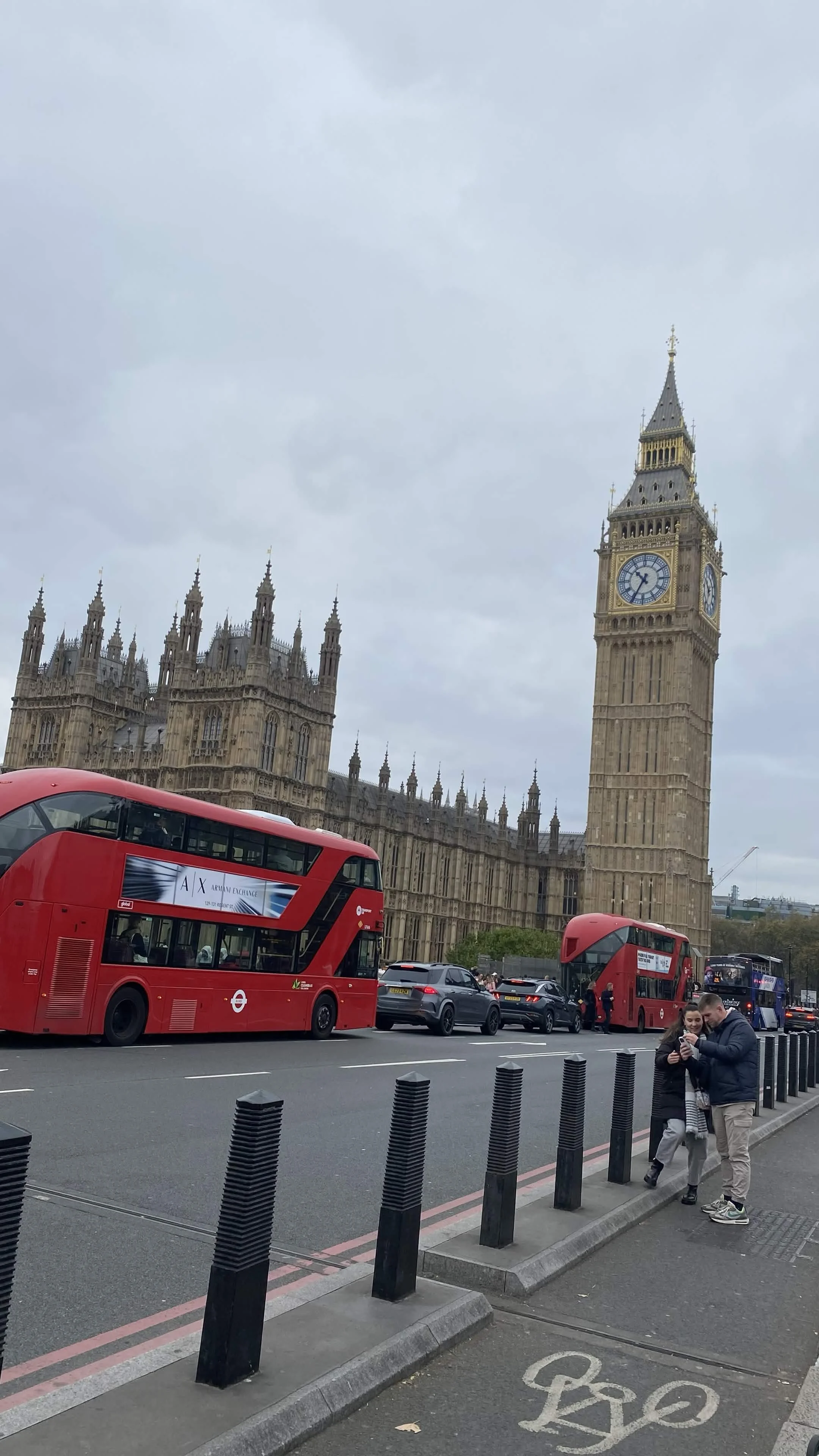
| London, UK
…and with a long bucket list left to complete :)
My Generative AI Doctrine
In a day and age where technology has rarely been so controversial and impactful on society (at least in my lifetime), it is important to me to outline my views on, and usage of GenAI.
To keep things short, below you will find a few impact statements that describe this doctrine, with the option to expand for a more thorough explanation, as well as a short summary beneath.
-
- The concept of “technical debt” has emerged to describe the gap between a programmer’s standalone skill and the features implemented by GenAI models. High technical debt exposes the user to expensive problems when GenAI comes short due to their inability to fill the gaps from lack of understanding or proficiency to apply understanding.
→ Therefore, GenAI should only be used in a capacity to help speed up or control undertakings the user could already take on on their own. A good example for responsible use would be debugging programs written by the user. GenAI will be more helpful towards pinpointing the breaking point, which can then be fixed thanks to the understanding of the program built whilst developing.In short, GenAI should serve more as a steering assist than run a project on autopilot in my view.
-
Some would argue that products entirely generated by GenAI tools from their prompts should also count as art they have created. While the contribution is certainly there, someone commissioning a piece of art is by no means the artist in a conventional exchange, therefore I maintain that AI Artists are more commissioner than artist.
Having said this, the main purpose of “art” in all its forms, is the expression of a message with layers of subtleties and undercurrents intended by the creator for its consumers to interpret a certain way. It is the artist imprinting a snapshot of themselves onto their figurative canvas.
A commissioned artwork may be intended to convey a certain meaning, however the interpretation of the expressed message is in the hands of the artist to configure. An honest artist will attempt to align their interpretation with that of the sponsor, however they could add personal imprints meant to serve their own agenda if they choose. This is a favourite method for artists in represive systems to exert criticism of sensitive figures for example, e.g. Jean de la Fontaine’s fables criticising the absolute French monarchy of the 17th century.By delegating the execution of a message to a generative model, prompters therefore lose the personal touch of the product, therefore undermining its quality as a work of art.
If the intention of the message is an impersonal communication, GenAI can be a perfectly suitable medium. For anything aiming to express a personal message or opinion, AI-generated products risk losing their authenticity and intellectual depth. Therefore, GenAI is not suitable to express a personal, deep message.
Due to generative models producing aggregates of information gathered from other sources, many academic institutions consider undisclosed usage of GenAI in works a form of plagiarism, or at least academic dishonesty, a view I subscribe to. For intellectual honesty, use of GenAI must be disclosed, and ideally accompanied by a description of how it was used in a project.
-
Current models functioning off transformer architecture trained on existing data do not have an inherent creative component to it, merely the ability to combine its training data to a wider range of outputs.
Models trained on Human-generated materials that have not been cleared for factual accuracy and intellectual honesty are prone to ingesting (deliberately or accidentally) misinforming data, which can in turn be included in the outputs. Furthermore, some information is subject to layers of context that can be misinterpreted (satire is famously difficult to discern algorithmically for example).
→ GenAI in its current form should never be considered an authoritative source of information or creativity.
-
GenAI models and the Infrastructure erected to maintain and further develop them, as well as required adjacent systems, notably dedicated data centres, cause proven
ecological (water shortages, light and noise pollution, sometimes replacing existing ecosystems in irresponsible jurisdictions),
economic (job instability rising sharply since 2022, rising utility costs near data centres from expanding resource usage, unlawful use of copyrighted materials and contents explicitly designated against AI training for improvement of models without compensation), and
societal (enabling of deep fake contents putting reality into question, and making fraudulent practises increasingly accessible to bad actors, proven detrimental effects on cognitive abilities of children and long-time adult users alike)
damage
GenAI companies are, in some cases, led by individuals allegedly actively promoting
mass surveillance (Flock cameras facing intense pushback, an attempted integration into Ring [Amazon] cameras in Feb. 2026),
political extremism, associated hateful ideologies, and democratic backsliding (no names for legal reasons), as well as
increasing usage for automated, offensive (non-supporting) military activities.
While not every tech executive fits this profile, there is a trend in the indirect direction society is being driven towards, by the people who benefit immensely from this sort of technology.
While there are of course many advantages to GenAI and associated technology for larger society, and some of the criticised measures on paper serve a helpful purpose or have caveats to mention, e.g.
the increasing autonomy of cameras being definitely helpful in detecting and preventing serious criminal activity, and
the rising popularity of extremist politics being noticed before the popularisation of this technology,
GenAI does at least exacerbate these issues, and at times actively or indirectly contributes to their proliferation.
→ For all the reasons outlined above, I believe it is an ethical imperative to reduce the use of such technology to the absolute, bare minimum, and abstaining from use entirely if at all possible.
→ On a more positive note, like every problematic technology in the past, I believe it is just a question of time and political will until GenAI becomes a net positive for society.
There are already projects undertaken by some of the best engineers on the planet, alongside the most vocal activists, to address the harmful effects of data centres,
Institutions will, in time, find ways to regulate applications of such technology with more robust enforcement mechanisms against unlawful usage,
Schools will adapt to teach their students how to think for themselves alongside such tools, and workplaces’ interplay between AI and Human employees will eventually stabilise again at some point.
Just like nuclear technology has been harnessed now for its boundless energy, like factories have maintained and expanded on their incredible productivity from the industrial revolution to improve working conditions (not everywhere sadly), GenAI is just another revolution of the way we work and live, to which we will adapt one way or another.
In short, I believe that GenAI is a useful tool to augment human productivity, with clear advantages in large-scale deployment, however it must be used responsibly and honestly, and its implication in many global issues indicates a need to reduce usage and dependency to the minimum possible until the ethical implications around GenAI improve, in my opinion.